
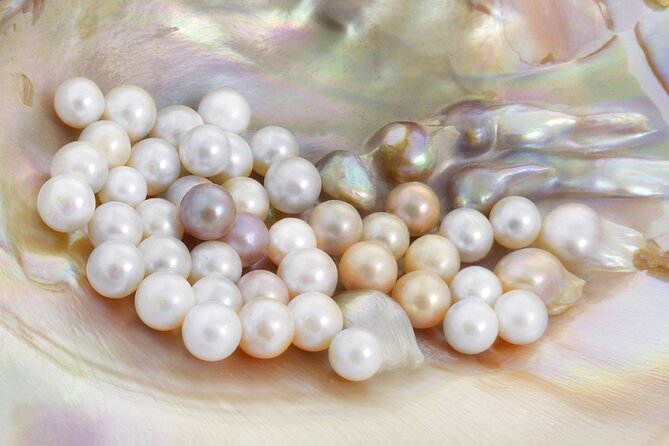
Reviewed · LA PAZ TOURS
La Paz: Pearl Farm Experience and shop
La Paz’s pearl story comes with a striking claim: a pearl in Queen Elizabeth’s crown came from this region. On this small-group visit, you hear how pearls shaped local history and see how a modern farm works to grow them again.
I like two things in particular: the tour links local history with present-day pearl cultivation, and it takes you into the laboratory to see the process up close. Guide Ivan has presented in English and walked visitors through oyster types and pearl-seed implantation.
One consideration: at about $70 per person, this is a focused, two-hour educational visit, not a long excursion with food or other activities included. You’ll also need to budget separately if you want to buy something in the shop.
- A local pearl story: Learn about the history of pearls and their importance to the La Paz region.
- A look inside the process: Visit the laboratory and learn how pearl cultivation works.
- Oysters up close: The experience includes interaction with live marine organisms.
- A small group: The maximum group size is 12, which can make it easier to follow explanations and ask questions.
- An English option: The tour is offered in English, and Ivan has led English-language visits.
- A shop at the end: Browse the farm’s pearl store, with purchases and souvenirs at your own expense.
La Paz’s pearl story begins with a local claim
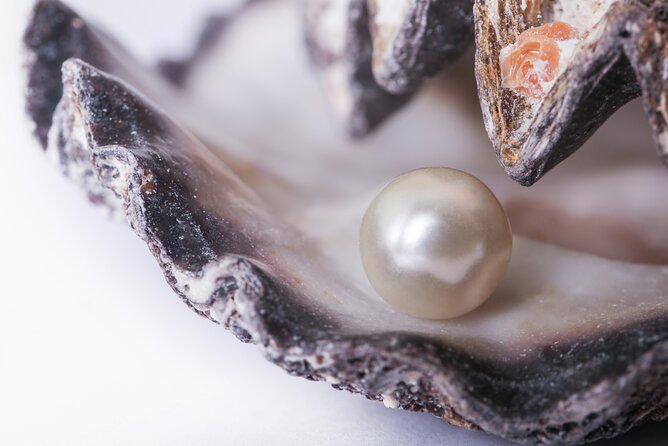
The tour opens with the connection between pearls and Baja California Sur. One of its most arresting talking points is the claim that a pearl from La Paz is set in Queen Elizabeth’s crown. That story gives the visit a useful starting point: pearls here are not simply pretty objects in a display case, but part of the region’s past and identity.
You’ll hear about how people in Baja have interacted with pearls over time, then move from that history to the farm’s current work. The shift matters. A historical account can feel distant when it stays at the level of dates and famous names. Here, the subject leads into the practical question of how a pearl is produced and what it takes to cultivate one today.
The tour also gives you a sense of scale. Pearls take about six years to form, so the process is slow by design. That long timeline helps explain why a cultured pearl is not a quick harvest and why careful work with the oysters matters.
I would treat the crown story as an engaging part of the farm’s account, rather than the only reason to book. The stronger appeal is the chance to understand the area’s pearl tradition alongside the work being done now.
The laboratory makes the process easier to understand
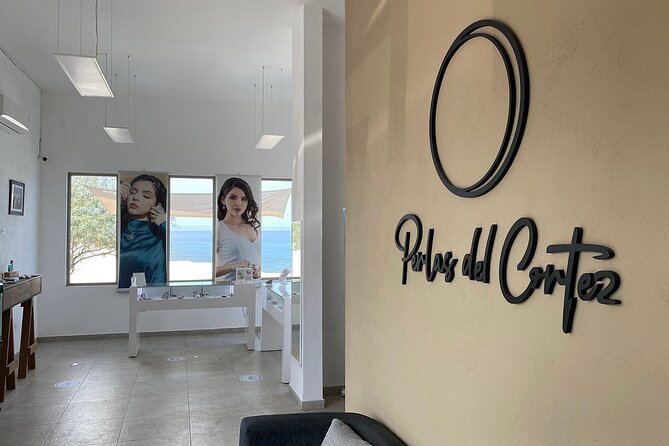
A visit to the laboratory is one of the clearest reasons to choose this tour. You’re not limited to hearing that pearls are cultivated; the guide explains the steps involved and shows how the farm works with oysters. The visit includes an appreciation of different pearl types and the process used to obtain them.
That detail can turn a familiar object into something more interesting. Most of us see a finished pearl, perhaps in a necklace or a shop case, without thinking about the living oyster and the careful handling behind it. Here, the focus is on the stages that come before the finished product.
One especially specific part of the process is introducing a pearl seed into an oyster. A visitor has described getting to support this step, while another account highlights seeing how the farm implants pearl seeds. The exact degree of hands-on participation may depend on how the visit is run that day, so think of it as a chance to learn about the procedure, not a guaranteed workshop where you do the work yourself.
The farm works with different oysters, including Mother of Pearl and Rainbow Lip varieties. Those names are useful details to listen for during the explanation. They help you connect the animal, the cultivation method and the qualities of the resulting pearl, rather than treating all pearls as interchangeable.
More farm visits in La Paz:
- La Paz: Pearl Farm Experience and shop
★ 5.0 · 7 reviews - La Paz: Coral Farm Snorkel Tour
★ 5.0 · 3 reviews - Los Cabos: Azteca Cactus Taco Farm to Table Cooking Class
★ 5.0 · 9 reviews
Live marine organisms put the explanation in context
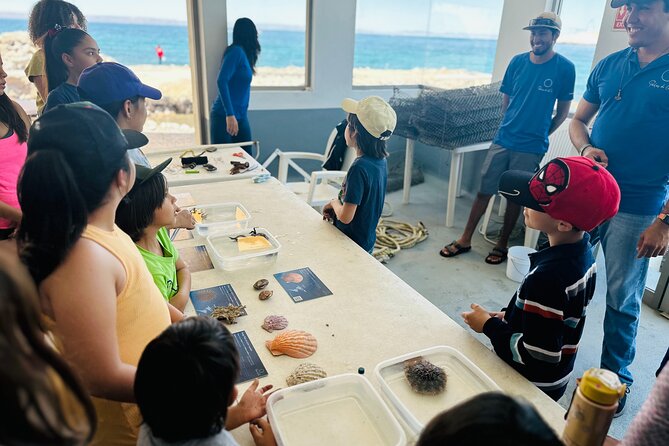
The tour includes the opportunity to interact with live marine organisms. That is a meaningful part of the visit because pearl farming depends on living oysters, not just equipment and technique. Seeing the organisms involved can make the science less abstract and help you understand the care required to keep the process going.
The farm describes its work as sustainable aquaculture, and the tour explains how oyster cultivation is being used to bring local pearl production back into view. That context is valuable if you’re curious about the relationship between a farmed product and the marine environment. You can ask questions about the steps you see and how the farm handles cultivation.
Keep expectations grounded: the supplied details do not promise a broad wildlife encounter, a marine excursion or a chance to handle every organism. The focus is pearl farming. If you’re most interested in the production process, that is a strength. If you’re looking for an outing centered on snorkeling or watching marine life in the wild, this is a different kind of activity.
A small group suits a question-friendly visit
The maximum group size is 12. For a tour built around demonstrations and explanations, that is a practical limit. You have a better chance of hearing the guide clearly and asking a question than you might in a large group moving quickly through a display.
Guide Ivan has led the tour in English and is described as able to answer questions about the history and cultivation process. The most useful approach is to ask about whatever you find hard to picture: how a pearl seed is introduced, what distinguishes the oyster types, or why the formation process takes years. The tour’s value rests in part on those explanations, so use the opportunity to make the subject concrete.
English is offered, but the tour information does not specify that every departure is exclusively in English. If language is important to your booking, confirm the language for your chosen time. The stated group cap and English offering make the activity easier to assess before you commit.
The pearl shop is an optional final stop
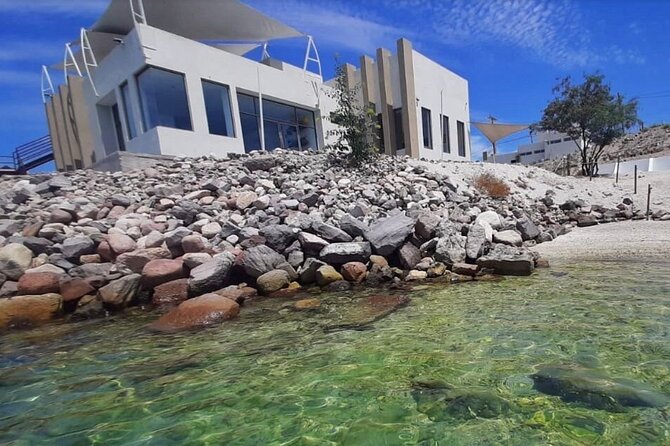
The visit includes an exclusive pearl store, which gives you a chance to see finished pieces after learning how pearls are made. That order is helpful. You’ll have more context for looking at the pearls, and you can connect the products on display with the cultivation process explained earlier.
Shopping is optional. Souvenirs are not included in the tour price, so the store is best treated as a chance to browse rather than a required part of the visit. If you are considering a purchase, you may want to set a budget before you arrive. The tour information does not provide prices or details about the store’s selection, so I would not plan around a particular item.
There is also no food included. At roughly two hours, the visit is short enough to fit into a day of other activities, but you should plan meals separately. The meeting point is at Tours Perlas de La Paz at Avenida Central Poniente and Avenida Central Sur, Recinto Portuario, on Avenida Pichilingue. The activity ends back at that same meeting point.
Want a change from the water?
- Adventure to Espiritu Santo Island: Snorkel with Sea Lions and Beach
★ 5.0 · 661 reviews - Whale Shark snorkeling tour in a reduced group with local marine biologist
★ 5.0 · 594 reviews - Intimate Eco-Friendly Whale Shark Encounter – Premium Service
★ 5.0 · 392 reviews - Balandra & Tecolote: hike, kayak and snorkel in paradise
★ 5.0 · 299 reviews
Is $70.02 a fair price for two hours?
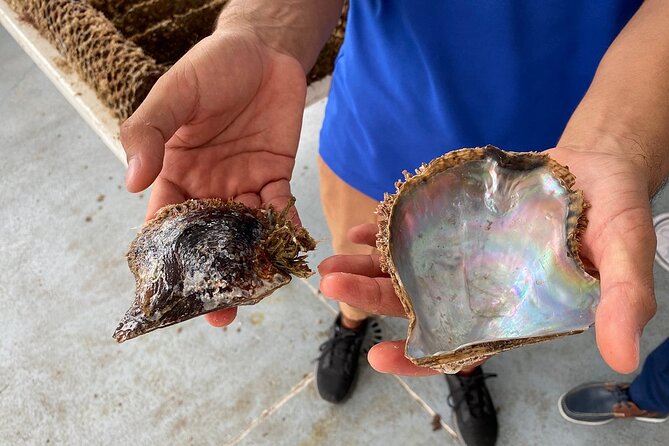
At $70.02 per person, this is not a bargain-basement stop, but the price buys more than a quick look at jewelry. You get a guided account of local pearl history, a laboratory visit, an explanation of pearl types and cultivation, and a chance to see live organisms involved in the work. For anyone who enjoys learning how a local product is made, that mix can justify the cost.
The value depends on what you want from a La Paz outing. If you’re keen to understand the region’s pearl tradition and see the farm’s process, the visit offers a focused subject and a small group. If you mainly want a scenic trip, a meal or a long list of activities, the price may feel high for a two-hour tour.
Food, tips and souvenirs are not included. The store gives you the option to shop, but it should not be counted as part of what you receive for the ticket. I’d judge the value on the guided visit and access to the laboratory, not on whether you decide to buy a pearl afterward.
The booking pattern averages about 11 days in advance. That is a useful planning clue if this is a high priority for your visit, though it does not guarantee availability or mean you must book exactly that far ahead. Confirmation is provided at booking, and the group is capped at 12.
Who will get the most from this visit?
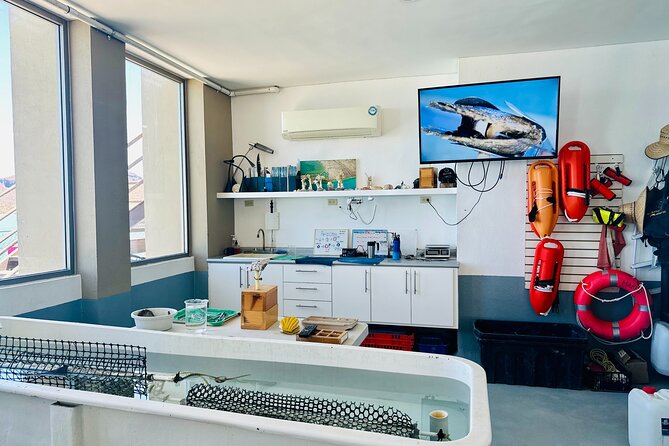
This tour suits you if you like learning how a product is made and want a closer look at a piece of La Paz’s history. It is also a good fit if you have already spent time enjoying the coast and want an activity with a cultural and educational focus. The laboratory visit and explanation of oyster cultivation give the experience substance beyond a shop stop.
It can work well for a curious family or a small group, since most people can participate and the maximum group size is modest. The tour information does not state a minimum age, so check directly if you are booking for a young child. The subject is likely to appeal most to people who are comfortable listening, asking questions and following a process-oriented visit.
You may want to choose another activity if you need a full-day outing, included food or a nature tour centered on open-water wildlife. This is a compact visit built around pearls, their history and the farm’s current cultivation work. That clear focus is its advantage, as long as it matches what you want to do.
Should you book the La Paz pearl farm tour?
Book it if the story of pearls interests you and you want to connect La Paz’s history with the real work of growing them. The combination of a laboratory visit, oyster cultivation details and an optional shop makes the two hours more informative than a simple retail stop. Ivan’s English-language explanations and willingness to answer questions are a plus for visitors who want to understand the process rather than just look at the finished product.
Skip it if you are looking for a scenic coastal excursion or a full schedule of activities for the price. You’ll pay separately for food and anything you buy, and the visit stays focused on pearl farming. For a curious, hands-on-minded visitor who values local context, that focus is exactly the point.
FAQ
How long is the pearl farm experience?
The tour lasts about two hours.
What does the tour include?
It includes information about the area’s history and modern pearl cultivation, a visit to the laboratory, an explanation of different pearl types and how they are obtained, and the chance to interact with live marine organisms.
Is the tour offered in English?
Yes. English is one of the offered languages. Guide Ivan has led English-language tours.
How large is the group?
The maximum group size is 12 people.
Where does the tour start and end?
It starts at Tours Perlas de La Paz, at Avenida Central Poniente and Avenida Central Sur, Recinto Portuario, Avenida Pichilingue, La Paz. The activity ends back at the meeting point.
Are food and souvenirs included in the price?
No. Food, tips and souvenirs are not included. The pearl store is part of the visit, but purchases are extra.
New in La Paz
- Whale Shark Snorkeling in La Paz★ 3.5 · 3 reviews
- Whale sharks and sea lions snorkeling plus Balandra beach lunch★ 5.0 · 53 reviews
- Swim with Whale Shark from La Paz★ 4.0 · 7 reviews
- Experiences with whale sharks in La Paz★ 4.5 · 36 reviews
- Swim with Whale Sharks #1 MUST DO IN LA PAZ★ 4.0 · 6 reviews
- Sunset Sandboarding at La Paz Dunes Tour★ 4.5 · 13 reviews
- Sea of Cortez Combo: Whale Sharks, Sea Lions & Balandra Beach★ 5.0 · 7 reviews
- Whale Shark Swimming Adventure: Small Group with Marine Biologist★ 4.5 · 50 reviews
La Paz Tours, compared.

Adventure to Espiritu Santo Island: Snorkel with Sea Lions and Beach
Read our review →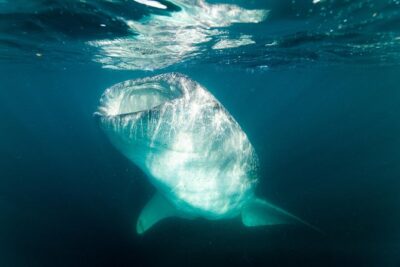
Whale Shark snorkeling tour in a reduced group with local marine biologist
Read our review →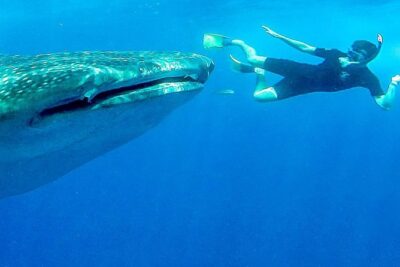
Intimate Eco-Friendly Whale Shark Encounter – Premium Service
Read our review →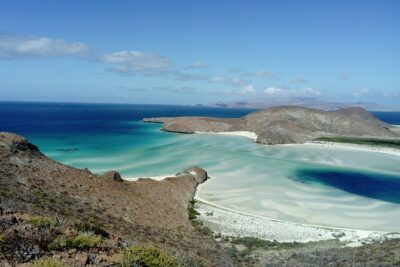
Balandra & Tecolote: hike, kayak and snorkel in paradise
Read our review →
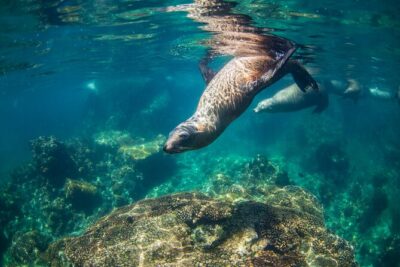
Espiritu Santo Island Snorkel & Sea Lion Adventure
Read our review →
Browse the lists this tour appears in